Three UK Chefs; Garrett Keown, Executive Development Chef at Harrods; Cristian Bravaccini, Executive Chef at Azumi London; and Mursal Saiq, chef-owner of Cue Point London, joined chefs from across Asia, Europe and the US. During visits to Melbourne, Gippsland and the Yarra Valley, they toured working farms, attended a butchery masterclass and explored a major trade show. They also cooked, collaborating and exploring how to apply their locl knowledge to enhance the Aussie Beef and Lamb.
Starting in Melbourne, then heading to the source
The week began at Queen Victoria Market, the 140-year-old heart of Melbourne’s food scene. The group then headed to the William Angliss Institute for a Culinary Meat Masterclass. Led by MLA experts Sam Burke, Andy Groneman and Tarek Ibrahim, the session combined industry insight with practical demonstrations. The chefs compared grass-fed, grain-fed and long-fed beef, identified cuts and considered how Australian grilling techniques could work across different cuisines and menus.
The group then travelled about 90 minutes south-east to Gippsland. Known for its rich soils and reliable climate, it is one of Australia’s most productive agricultural regions.
Seeing the care behind the product
For Garrett, the standout wasn’t a dish or a demonstration. It was the people.
“Going out and meeting the farmers, their hospitality was amazing. The key take away for me was the care and attention that they really gave to their farm, you can see that they put a lot of love in and really cared about their products.”
Garrett Keown, Executive Development Chef, Harrods
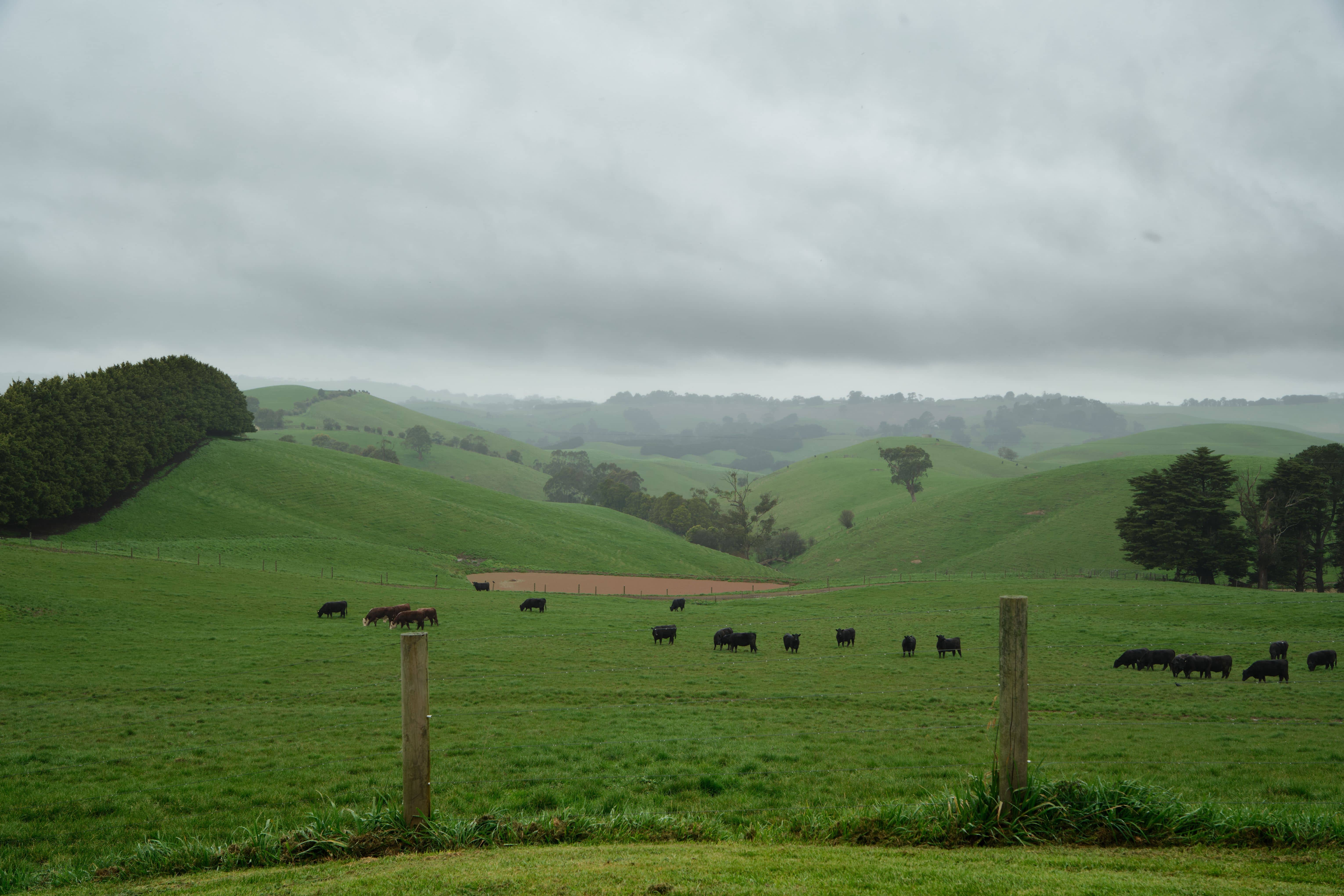
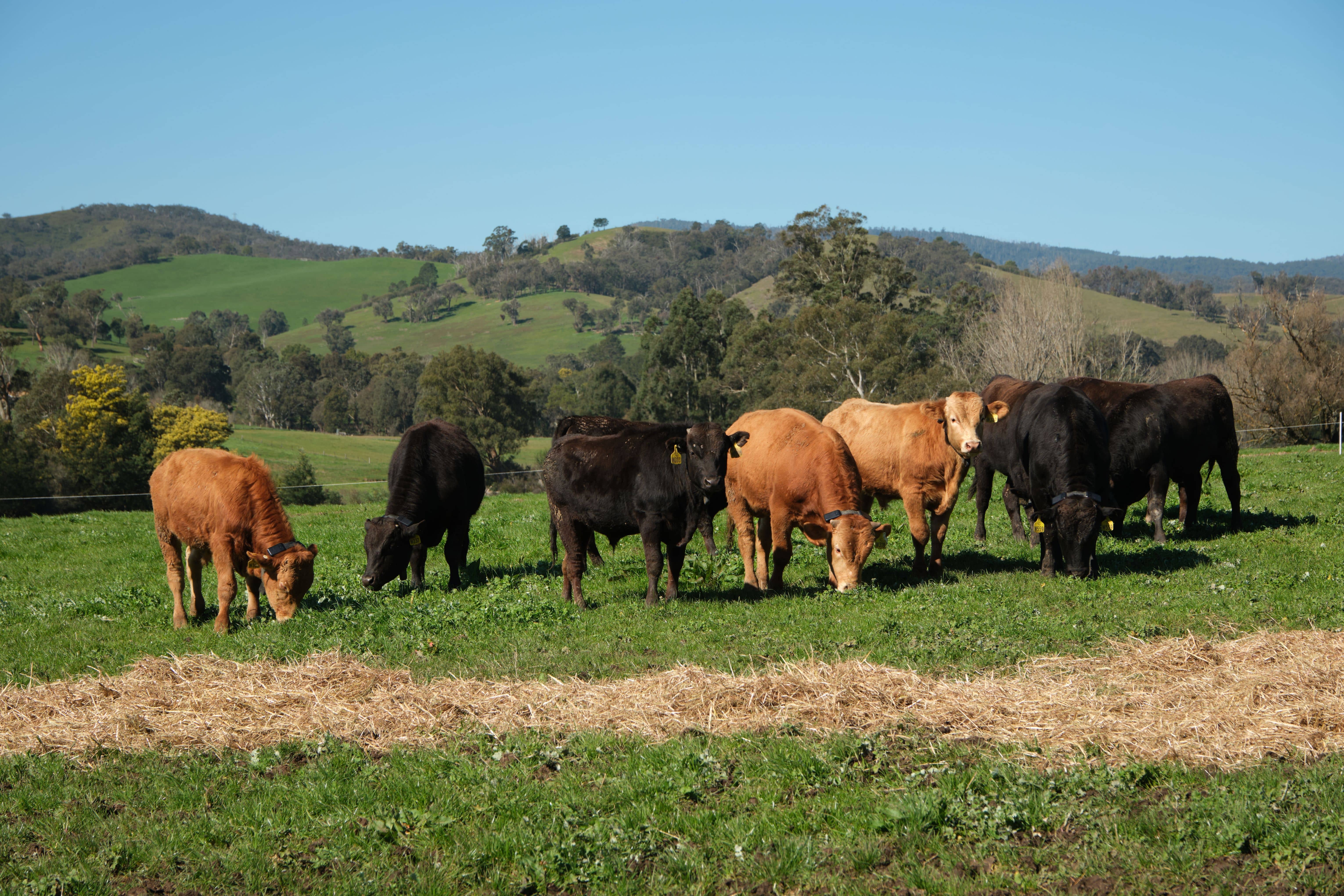
Seeing the farm at close range gave the chefs real, tangible evidence of farming practices and sustainability. At Greenham, a sixth-generation family-owned processor, the group saw how facilities are located near prime cattle herds. This reduces transport distances and supports animal welfare. At Furness Livestock, a finishing operation that supplies nearly 1,000 head a year to certified grass-fed programmes, lunch was prepared on the farm using locally sourced Victorian ingredients. Some of the produce had been grown only a short walk from the kitchen.
The pattern continued at Harmony Wagyu, one of the world’s largest Wagyu producers by volume, and at Yeringberg, a fifth-generation sheep and wine property in the Yarra Valley dating from 1863. There, lambs spend their lives on rolling pasture and move between paddocks as the seasons change. They are weaned onto grass grown on the property rather than receiving supplementary feed. Reading about provenance on a label is one thing. Standing on the hillside and seeing it first-hand is quite another.
Understanding the system behind the quality
At the Aussie Meat Academy masterclass, held at the historic Stables at Stones, the chefs examined the industry behind the product. The session covered supply chain structure, integrity systems and Meat Standards Australia (MSA), the grading system that supports consistency across Australian beef. Specialist butcher Rafael Ramirez then gave a live demonstration of cut identification and carcase utilisation, highlighting the menu potential of secondary cuts.
For Mursal, that session changed how she understood her own supply chain.
“I wanted to really explore the produce, but the consistency of it, and then finding out why. Not just ‘oh, it’s incredible produce’, there’s a system for it. The MSA grading when it comes to the meats has blown me away… that connection between Australia and London was just mind-blowing.”
Mursal Saiq, Chef-Owner, Cue Point London
Consistency is not accidental. It is built into the way Australian beef is graded, from paddock to plate, long before it reaches a UK kitchen.
Cooking under pressure, together
That evening, the group put its new knowledge to the test in the outdoor kitchen at The Stables. The chefs split into teams, drew a cut of beef at random and had a few hours to create a shared dish. Each team brought together people who had met only days earlier.
The format sounds simple, but it rarely is. A chef trained in British and French techniques might be paired with one from Indonesia, Japan or South Korea. They had to use an unfamiliar cut, often with little shared kitchen experience beyond the ingredient in front of them. For chefs used to running their own kitchens, it became an exercise in translation: explaining a method, understanding another approach and finding a dish that worked for both.
Cristian’s career has taken him through Michelin-starred kitchens and multi-site restaurant openings across the UK, Italy and the US. The challenge gave him a rare chance to cook without the usual structure of a professional kitchen. Instead, he relied on instinct and other chef’s expertise.
Cooking across cultures under pressure also showed the versatility of Australian beef and lamb. The meat worked across cuisines and techniques, from live-fire cooking to classical French methods.
Trade, industry, and one last celebration
The week ended with Rare Medium Live in the Long Room at the Melbourne Cricket Ground. The event brought together leading Australian chefs, foodservice professionals and industry partners to celebrate the craft and stories behind Australian beef and lamb. It was a fitting close to a week spent tracing that story from the ground up.
“It has been an amazing tour. For me personally, what stands out is the people here in Australia and how welcoming they are, how they open the door to share their food and culture with us. Visiting the abattoir was a highlight I will not forget. I had never seen anything like it before. You could see the care from the very beginning all the way through the processing. The way they gently look after every single animal is remarkable, and you can really see how that translates directly into the quality of the finished product.”
Cristian Bravaccini, Executive Chef, Azumi London
Bringing it home
Three UK chefs travelled to Australia to see where the product comes from. They returned with a clearer view of the systems behind it, from farming and grading to the finished plate. They also gained a stronger sense of how Australian beef and lamb can work across global cuisines. Cooking alongside chefs from seven other countries gave them fresh ideas to take home.
The experience will stay with them. It will shape their menus, supplier conversations and the way they talk about the beef and lamb they serve long after the trip.
Back to Blogs