Coast to Coast: Why Australia's Vast Landscape Produces the Best Beef and Lamb
Australia’s red meat industry is defined by its scale, diversity, and quality, shaped by climates ranging from the warm northern tropics to the cool, temperate south. This varied landscape, together with progressive farming practices, ensures cattle and sheep are raised in regions with the most suitable pastures, supporting year-round production of beef and lamb renowned for flavour, tenderness, and consistency.
Around 70% of Australian beef and lamb production is exported, reaching customers across the globe, with the UK among its most valued and long-standing markets. For over 150 years, Australia has been exporting red meat to the UK, highlighting a partnership built on trust, culture, economy and a passion for exceptional food. This export opportunity is made possible by the Australia’s remarkable range of landscapes, climates, and farming systems, which together create the conditions for consistently high-quality beef and lamb throughout the year. For chefs and consumers worldwide, Australian red meat is recognized for culinary excellence, traceability, sustainability, and ethical production.
A Continent of Contrasts
Australia is the world’s sixth-largest country by land area, and its size brings remarkable diversity in climate, terrain, and soil types. These differences create unique environments for livestock, influencing everything from growth rates to meat quality. In the north, tropical and subtropical regions provide warm, wet climates suitable for cattle breeds that thrive on rich pastures. In contrast, the southern states experience cooler winters and more temperate summers, allowing for lamb and beef production under different seasonal cycles.
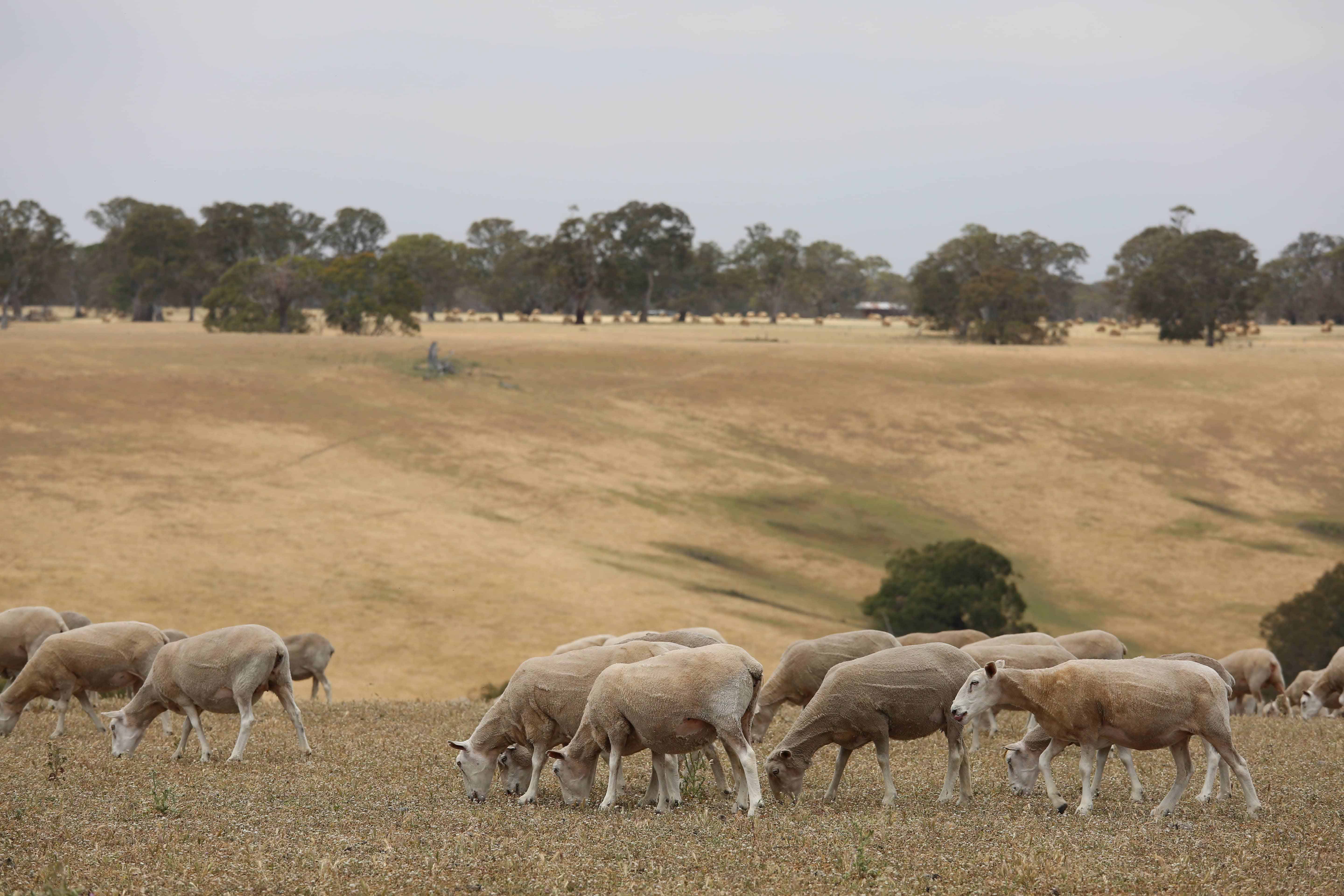
More arid areas of Australia, with their red soil plains and low rainfall, might seem harsh, but even here, hardy sheep breeds such as Dorper and Merino thrive. These regions produce lambs with distinctive flavours that reflect their environment. Meanwhile, the fertile river valleys of Victoria, Tasmania, and New South Wales offer lush pastures that support Wagyu and British breeds like Angus and Hereford cattle, resulting in marbled, tender cuts prized by chefs worldwide.
This geographical diversity allows Australia to produce red meat year-round, with multiple lambing and calving seasons staggered across regions. While some countries may rely on a single spring or autumn season, Australian farmers can manage breeding cycles to optimise production, ensuring that premium meat is available for both domestic and export markets throughout the year.
Scale Matters: Australia and the UK in Perspective
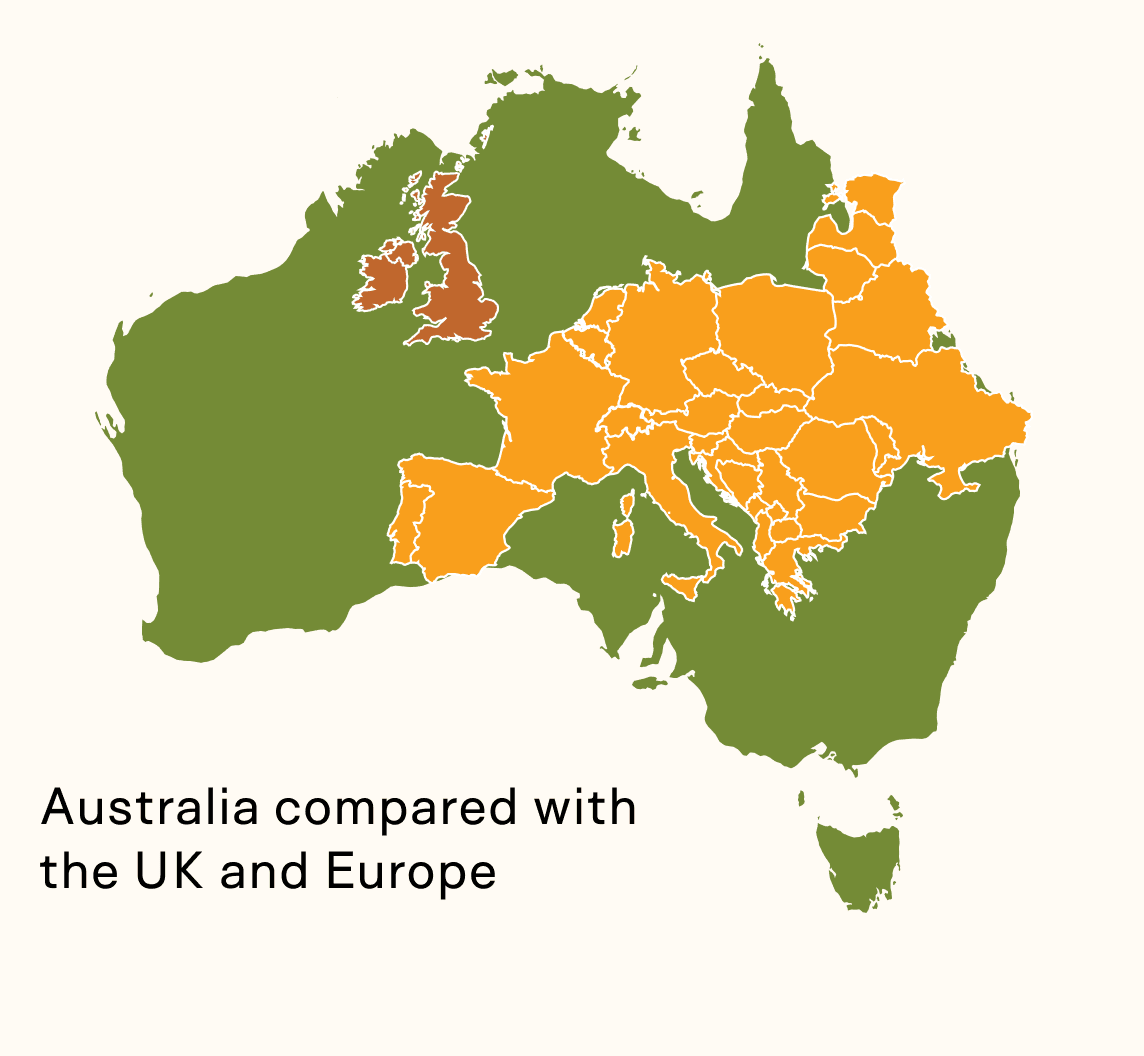
Australia’s vast size plays a defining role in how its red meat industry operates, particularly when compared to the United Kingdom. Australia covers approximately 7.62 million square kilometres, making it almost 32 times larger than the UK, which spans just over 240,000 square kilometres. This immense scale allows livestock production to be spread across multiple climates, landscapes, and production systems, from coastal pastures and river valleys to inland plains and rangelands.
Rather than concentrating farming into smaller, more uniform regions, Australia’s red meat industry is built around regional specialisation, with each area producing beef and lamb suited to its environment.
This geographical scale supports year-round production and resilience within the supply chain. When seasonal conditions change in one part of the country, production continues elsewhere, helping maintain consistency for export markets such as the UK and Europe throughout the different seasons.
Understanding the Seasons: Longer Production Windows
Seasonality plays a critical role in the quality of Australian beef and lamb. In northern and central regions, the combination of warm temperatures and consistent rainfall during certain months extends the growing season for pastures. This means cattle and sheep have access to fresh, nutrient-rich feed for longer periods compared to European systems, where cold winters limit grazing.
Lambing and calving seasons are carefully managed to coincide with optimal pasture conditions. In the south, spring lambing is common, while in northern and inland regions, breeders may plan additional cycles in late summer or autumn. The result is a more consistent supply of meat that retains flavour and tenderness regardless of the time of year. Extended production windows also allow farmers to apply rotational grazing techniques, giving land time to recover, reducing soil erosion, and improving pasture quality.
This attention to timing and land management directly influences the final product on the plate. Chefs who work with Australian beef and lamb can be confident in the quality and consistency of the meat, knowing that each cut reflects careful breeding, nutrition, and welfare practices.
Diverse Breeds for Diverse Landscapes
Australian beef and lamb are defined not only by where they are raised but also by the breeds that dominate the landscape. Each breed has been carefully selected for its adaptability to climate, feed efficiency, growth rates, and meat quality.
Beef Breeds: Angus and Wagyu cattle play a central role in Australia’s premium beef offering, each bringing distinct qualities that appeal to chefs worldwide. Angus is celebrated for its marbling, tenderness, and robust flavour, thriving primarily in temperate regions while also adapting well to warmer inland areas. Wagyu, renowned for its intricate marbling and fine fat patterns, is typically raised in cooler southern climates that support the development of its signature richness, making it a favourite for high‑end dining and innovative culinary applications.
Lamb Breeds: Merino, Dorper, Poll Dorset, and Border Leicester–Suffolk crossbreeds each play an essential role in Australia’s lamb industry, combining adaptability, productivity, and strong meat quality. Merinos, known primarily for their wool, also produce lean, flavoursome lamb and thrive in challenging environments. Dorpers are hardy and fast‑growing, delivering mild, tender lamb suited to roasting or slow cooking. Poll Dorsets offer excellent carcass yield and consistent quality, while Border Leicester–Suffolk crosses provide resilience and robust meat characteristics that support production across diverse regions.
The combination of breed and environment creates unique flavours that chefs can celebrate. For example, a grass-fed Angus striploin from the southern highlands will taste distinct from a Wagyu ribeye raised on irrigated pastures in Victoria, each offering its own texture and richness.
Regional Highlights
Australia’s red meat production reflects the country’s diverse climates and landscapes, with each region contributing its own strengths.
Western Australia offers expansive grazing lands and red‑soil plains that support robust beef and lamb production, backed by rotational grazing and modern processing facilities.
New South Wales combines fertile valleys and rolling hills, producing renowned Wagyu and Angus beef and high‑quality Merino and Dorper lamb.
Victoria’s temperate climate and reliable rainfall create lush pastures that yield richly marbled beef and tender lamb for strong export markets.
Queensland supplies large volumes of both grain‑ and grass‑fed beef, with tropical and subtropical conditions enabling year‑round breeding.
Tasmania delivers premium lamb and beef known for delicate flavour and texture, thanks to its cooler climate and pristine environment.
Each region’s unique terroir impacts flavour, tenderness, and overall eating quality. This regional diversity allows chefs to craft menus that celebrate the nuances of Australian red meat, from earthy, gamey lamb to buttery, marbled beef. Which is why many well-known brands choose to have multiple locations across Australia.
Sustainable Practices in Action
Australian farmers, such as Smithfield Cattle Co are committed to producing high-quality meat while caring for the environment. Rotational grazing, careful herd management, water-efficient systems, and land regeneration projects are standard practice across many farms. These methods enhance soil health, increase biodiversity, and maintain pasture quality, which in turn improves meat quality.
Animal welfare is equally central to the industry. Sheep and cattle are raised in natural conditions, with ample space to graze and express normal behaviours. Regular veterinary oversight and ethical handling practices ensure livestock are healthy, stress-free, and ready for market at the optimal time.
Sustainability also extends to the supply chain. From farm to processor to distributor, every step is monitored to guarantee traceability. Chefs and consumers can be confident in the origins of their meat and the ethical standards behind it. Farmers make conscious choices to contribute to environmentally sustainable best practices.
Transport
Livestock transport in Australia is guided by Australian Animal Welfare Standards and Guidelines designed to ensure animal welfare and comfort throughout the journey. Producers and handlers follow best practices for moving cattle and sheep, with careful attention paid to minimizing stress and maintaining wellbeing at every stage.
Transport planning also takes into account Australia’s diverse climates and regional conditions. By adapting schedules and transport methods to suit different environments, the industry safeguards animal wellbeing across the country.
Culinary Applications & Global Recognition
Australian red meat offers chefs a diverse palette of flavours shaped by climate, breed, and regional practices. Thanks to extended breeding and grazing seasons, Australian beef and lamb deliver consistent tenderness, flavour, and fat content, making menu planning more predictable and reducing waste in professional kitchens.
Australia is also a leading global exporter, supplying high‑quality beef and lamb to more than 100 countries. Chefs and distributors, especially in the UK and Europe, value the industry’s blend of taste, sustainability, and traceability. Programs such as the Aussie Meat Academy, Lambassador, and Beef Mates further elevate Australia’s profile, connecting chefs with producers and showcasing the landscapes, breeds, and sustainable farming practices behind each cut.
A Connection to Culture and the Seasons
Australia’s varied climate and extended production cycles allow high‑quality beef and lamb to be available during the northern hemisphere’s winter, giving British chefs and consumers access to fresh, vibrant meat when local supply is limited. This diversity of landscape also supports a wide range of culinary applications, making Australian red meat a versatile, globally appealing ingredient.
The industry’s foundation of diverse climates, breeds, and seasons ensures beef and lamb that are consistently tender, flavoursome, and adaptable, supported by strong standards in sustainability, animal welfare, and innovation. By harnessing the natural strengths of their regions, Australian farmers deliver premium meat almost year‑round.
For chefs and food enthusiasts worldwide, Australian beef and lamb offer more than exceptional taste… they tell a story of place, climate, and care. Programs such as MLA’s Lambassador and Beef Mates help share this story internationally, connecting producers with chefs and showcasing the landscapes and practices behind Australia’s globally recognised red meat.
Australia’s beef and lamb are more than ingredients; they reflect the continent itself: diverse, resilient, and endlessly inspiring.
We use cookies on our website (including third party cookies) to analyse traffic, share information with analytics partners and provide you with the best experience possible. For details see our Privacy policy and our Cookies policy which were last updated in March 2019. By continuing to browse this site or by accepting below, you consent to the use of cookies.